Co-chaired by Charlotte Fraser and Antoinette de Lisser, the group consists of 22 APA members representing a broad range of experiences, expertise and services.
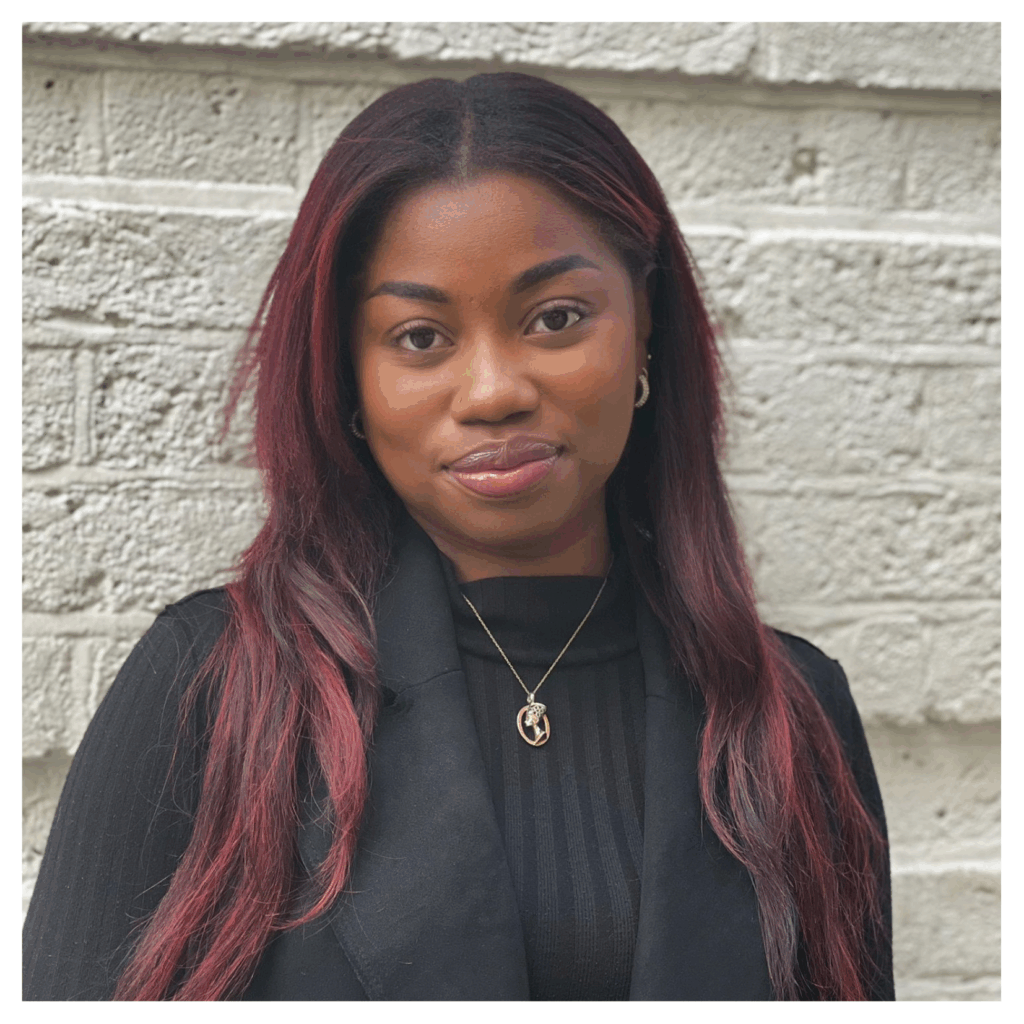
Charlotte Fraser – APA
As Head of DEI at the APA, I lead the association’s work to embed diversity and inclusion across its membership and the wider industry. The APA and its members are committed to creating greater access and opportunity for talent from underrepresented backgrounds, working in collaboration with industry partners, educators, and specialist organisations to drive systemic change.
This work is delivered through targeted initiatives including talent showcases, networking events, and panels spanning areas such as age inclusivity, disability equity, faith representation, gender diversity, LGBTQIA+ inclusion, neurodiversity, and racial and ethnic diversity.
I established this working group with Antoinette de Lisser to bring together different perspectives, challenge thinking, and turn shared intent into practical, measurable action. Our aim is to promote consistent, practical change across how the industry recruits and nurtures talent, challenges default creative choices, and operates on a day-to-day basis.
My work includes leading the development of the APA Code of Conduct model and the Production Conduct Initiative with the IPA and ISBA, as well as creating a new Casting Brief Template with the IPA, Equity UK, and ISBA. I also developed the Collaborative To-Do List with Shiny: 8 practical DEI objectives designed to help members embed progress into day-to-day practice.
Alongside these projects, I also draw on my experience from the Advertising Association’s All In Black Talent Working Group, which continues to inform my focus on creating more equitable and sustainable pathways for Black talent across the industry.
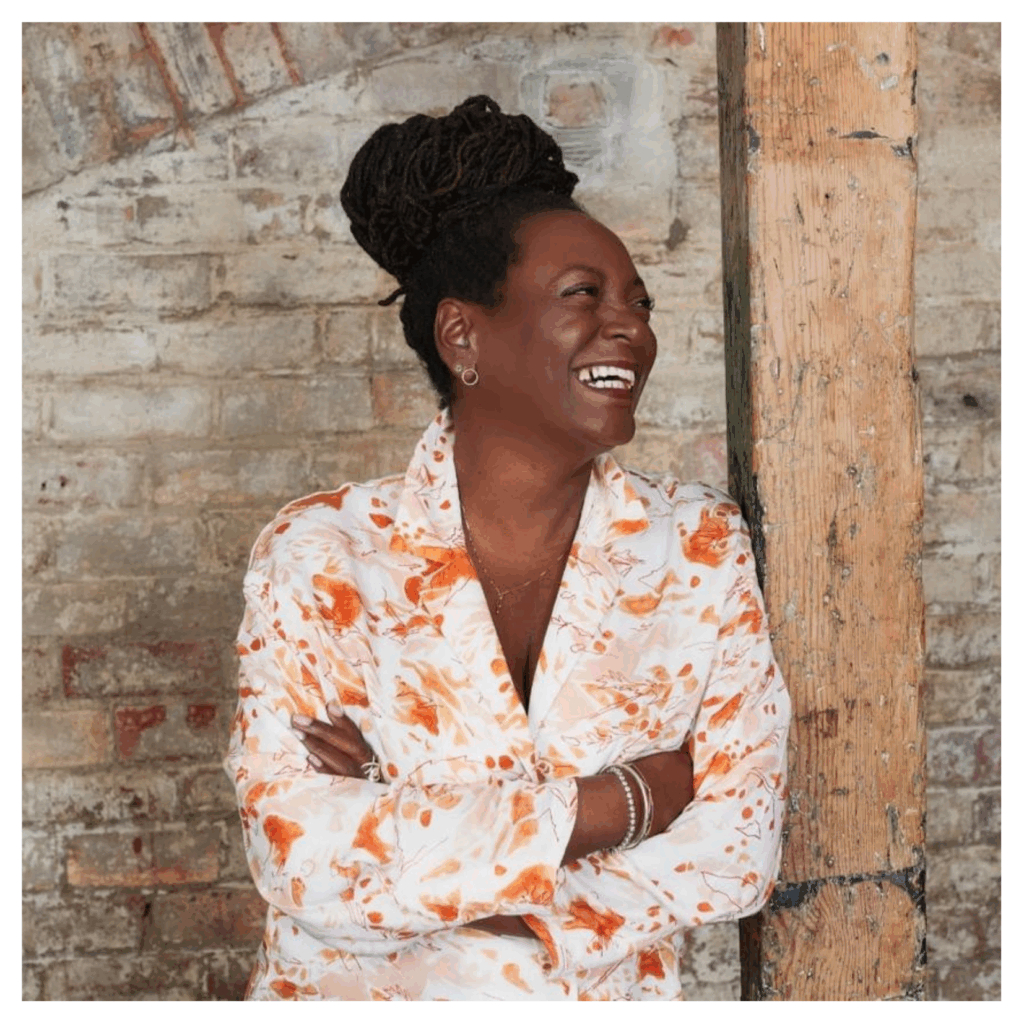
Antoinette de Lisser – Consultant
I’ve worked across the advertising, production and creative industries for close to 30 years, in roles spanning television sales, brand strategy, agency leadership, post-production, and consultancy, including Carlton Television, Interbrand, TBWA, BMB, and Absolute.
Alongside my commercial work, I’ve consistently focused on bringing new talent into the industry through initiatives including Iconic Steps and the Westminster Creative Council, and I regularly mentor emerging talent through programmes such as BBC U Creatives and Night School. I also sit on advisory groups including Green The Bid (US), POCC, and was part of the working group for the APA x Bectu Commercials Production Diversity Action Plan.
I now work with various production companies and agencies, where I use my experience and network to support practical, sustained progress in DEI across the production industry.
I am co-charing this working group with Charlotte Fraser to help ensure DEI moves beyond intention into consistent, everyday practice embedded in the industry – and to support and challenge the industry where progress is still stagnant.
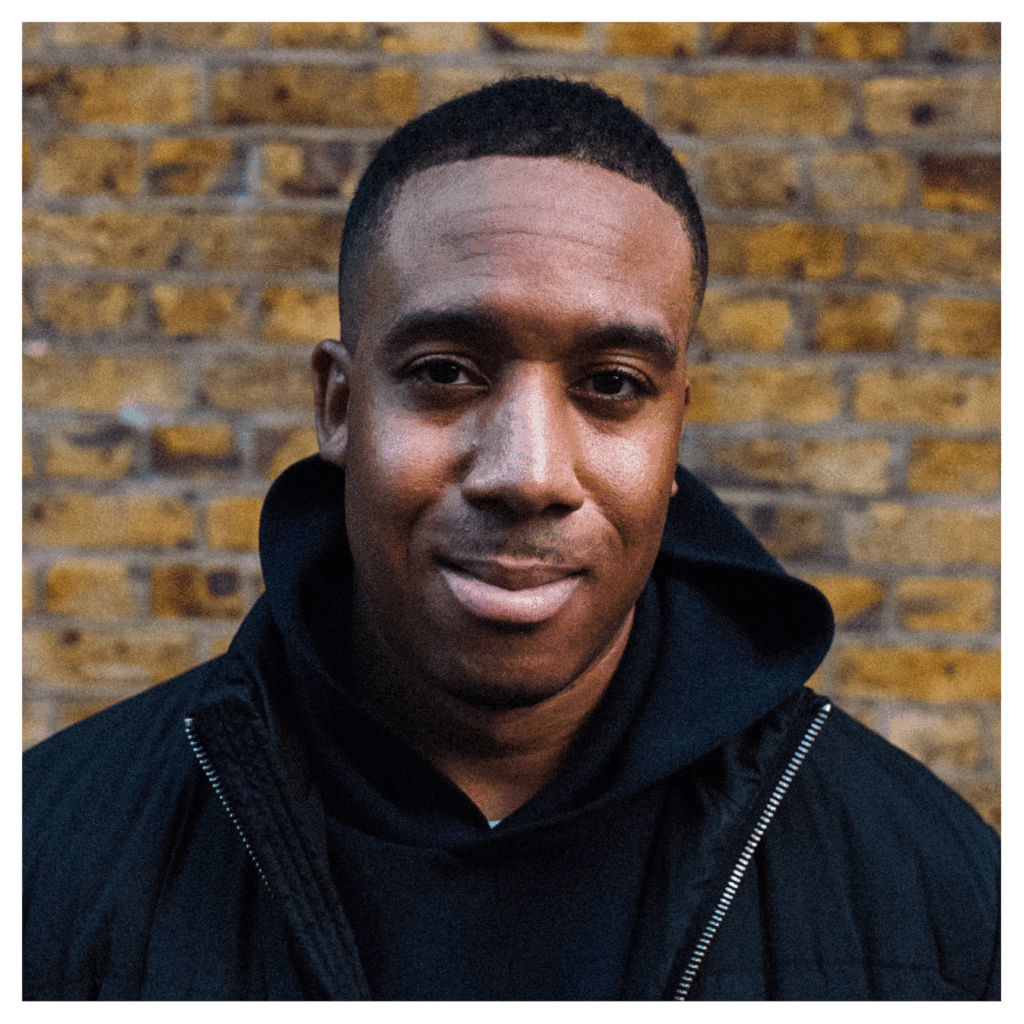
Adam Oyejobi – Biscuit Filmworks
I wanted to join to share what I’m seeing and be honest about what’s not working. I’m also here to represent those who aren’t part of this group but whose voices need to be heard.
My focus is on barriers to entry, workplace culture, and progression, as too many talented people are held back because of their background, especially those from low socio-economic backgrounds.
There’s more awareness around DEI now and some real progress, but a lot of it still feels performative – something people care about when it’s in the headlines, then forget about. The reality is people focus on what affects them directly, and since decision-makers aren’t very diverse, DEI isn’t a daily priority – something we’re collectively aiming to change through this group.
I’ve mentored through Goldsmiths University and the Creative Mentor Network, supporting young people from underrepresented backgrounds to build confidence, connections, and access to creative careers, which has shown me how important real support and intentional culture change are.
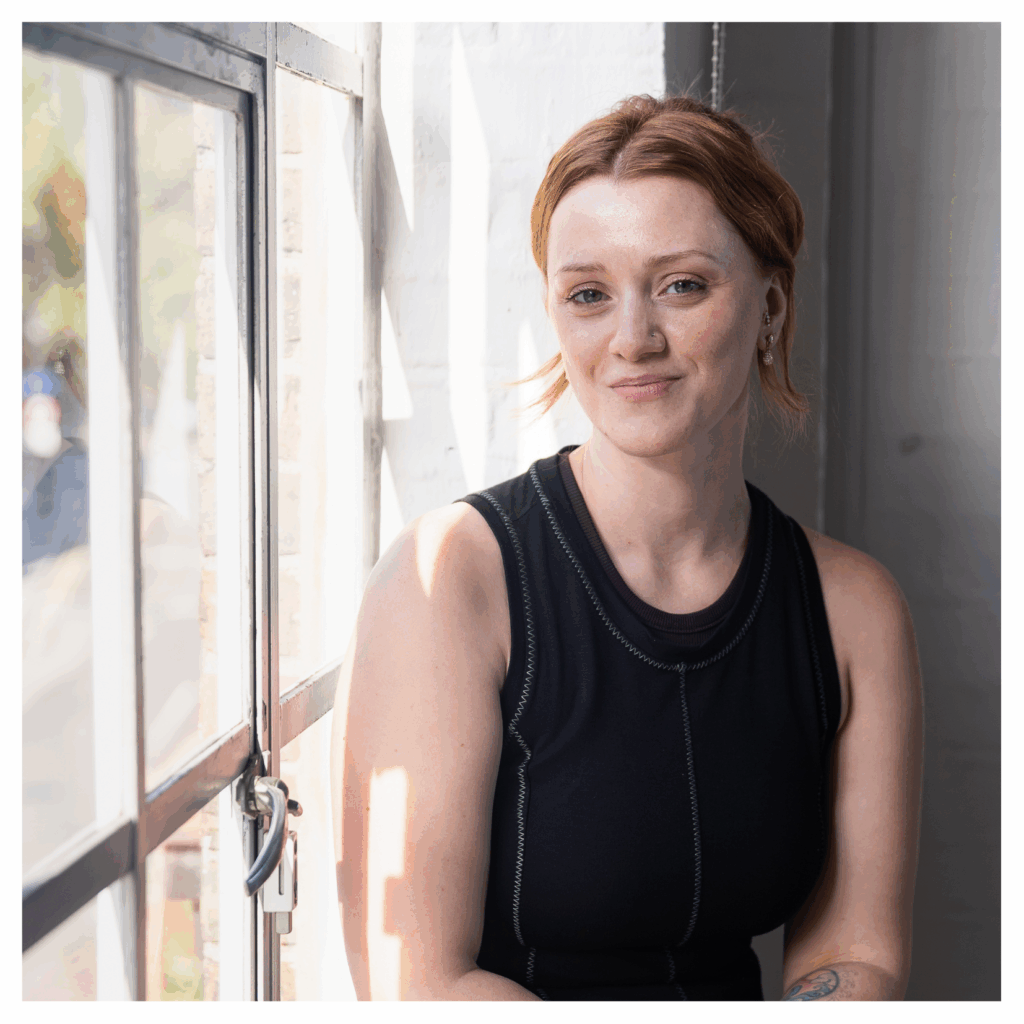
Amelida Celepija – Not Just Any
In my current role as Production Coordinator at talent-led production company Not Just Any, I support creative teams across communications, scheduling, and strategy.
I am passionate about discovering and guiding new talent, driven by a belief in increasing access for people from diverse backgrounds. Alongside my work, I remain immersed in fashion, graphic design, and documentary photography, and contribute to projects and talks that nurture emerging creative talent.
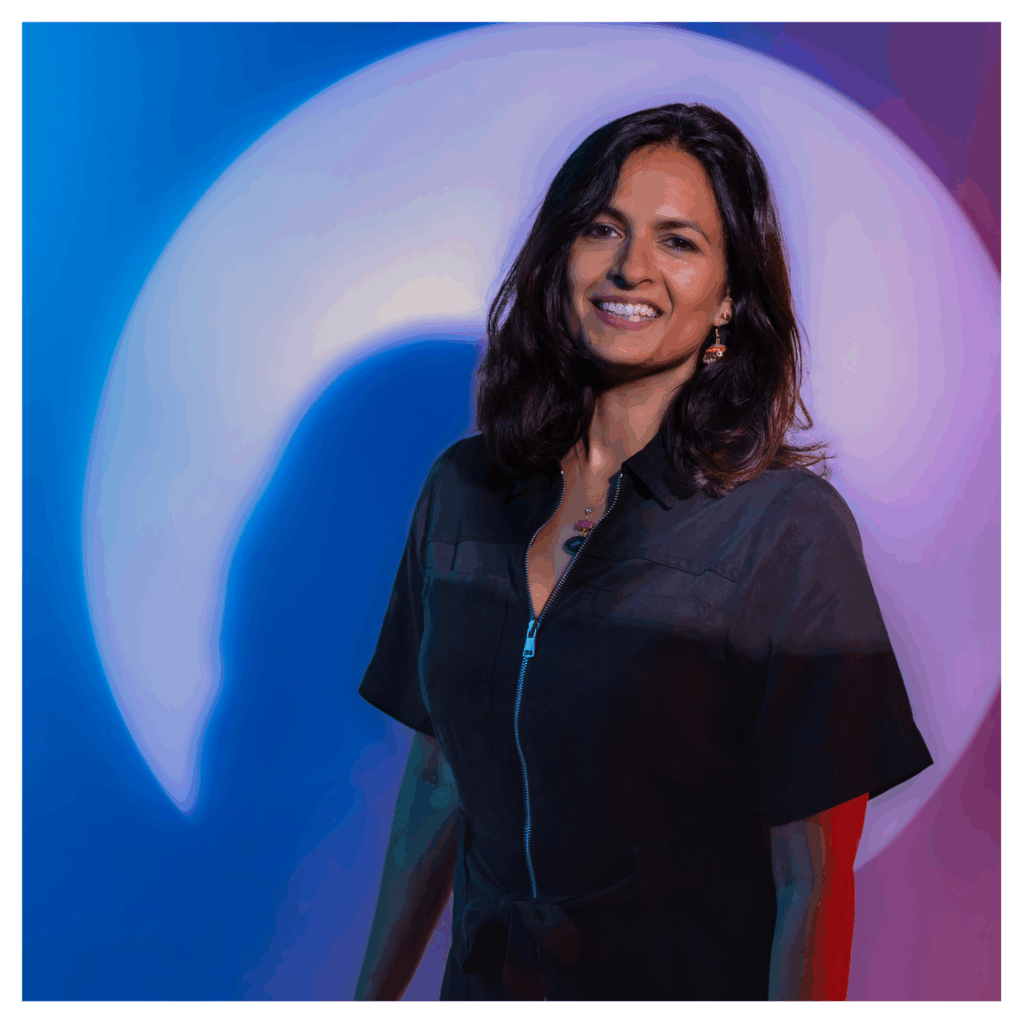
Aziza Bhatia – SALT TV
I’m joining the APA’s DEI working group driven by a commitment to support equality and diversity in the creative, advertising and production sectors in the UK. As MD of SALT TV, I want to ensure I’m doing everything possible to foster genuine inclusivity – embracing the broadest definitions of diversity rather than narrow interpretations.
I’m particularly interested in demonstrating the commercial value of truly diverse mindsets and cultures within the workplace, and championing practical approaches that SMEs like SALT TV can implement. I see this as an opportunity both to learn from others and to contribute insights on how independent studios can embed diversity and inclusion into their operations in ways that strengthen both culture and business outcomes.

Charlotte Whittall – Freelance
Having worked agency, brand & post side, I’ve had exposure to different areas of production within our industry.
From a personal perspective, I’ve found myself in a couple of unpleasant situations, which is my motivation to make positive changes in production for others.
I’m excited to support & contribute towards building meaningful initiatives, which help make our industry a kinder place.
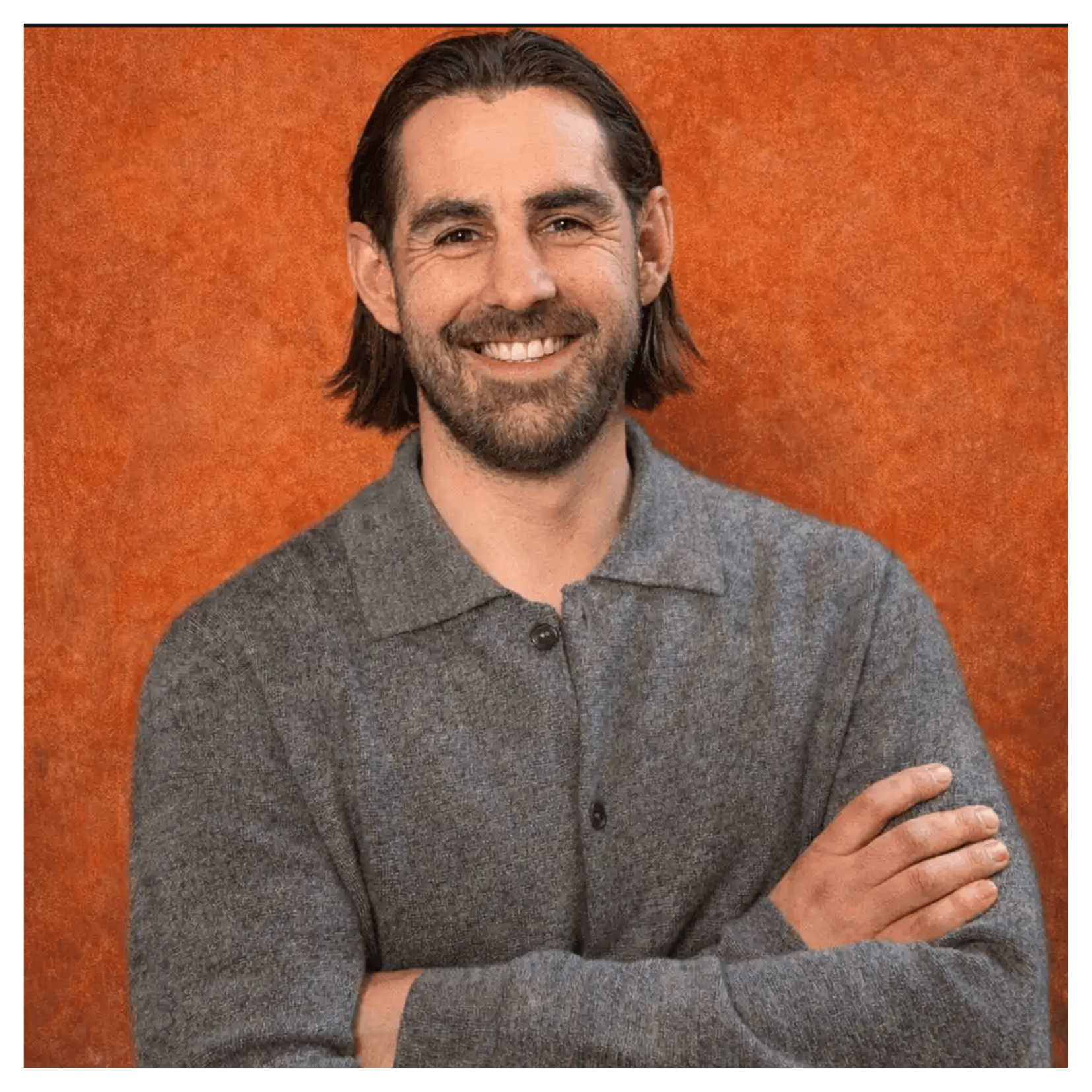
Dan Alternoff – Felt Music
I have always been extremely proud of being half Sri Lankan, whilst knowing that my heritage may not be obvious through appearance alone and feeling that this has allowed me to exist experiencing ’the best of both worlds’ for lack of a better phrase. This has led me on a path of self-discovery coupled with a desire to use my position to champion the under-represented in our industry, understanding that not everyone benefits from the same privileges as I do.
Being part of such a vital working group will enable me to learn from new perspectives and join forces with an inspired and driven group of individuals. Together we can look to create tangible change and targeted action with meaningful results, when it comes to DEI in the industry.
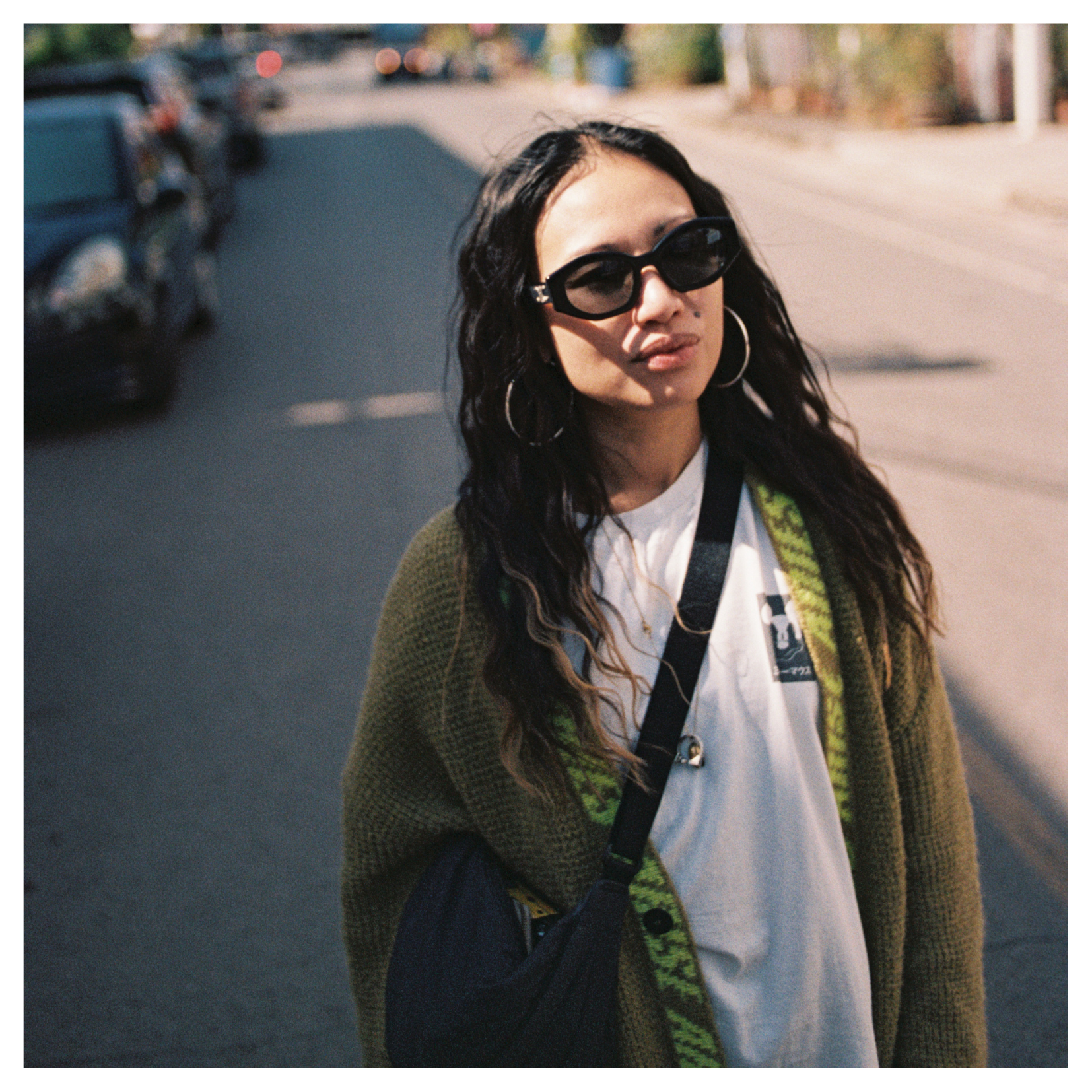
Darapen Vongsa-Nga – Academy Films
I spent 14 years cutting my teeth in advertising agencies, producing award-winning work for major global brands.
I later made the natural move production-company side at Academy Films, playing a key role in building the emerging roster before stepping into the role of Executive Producer.
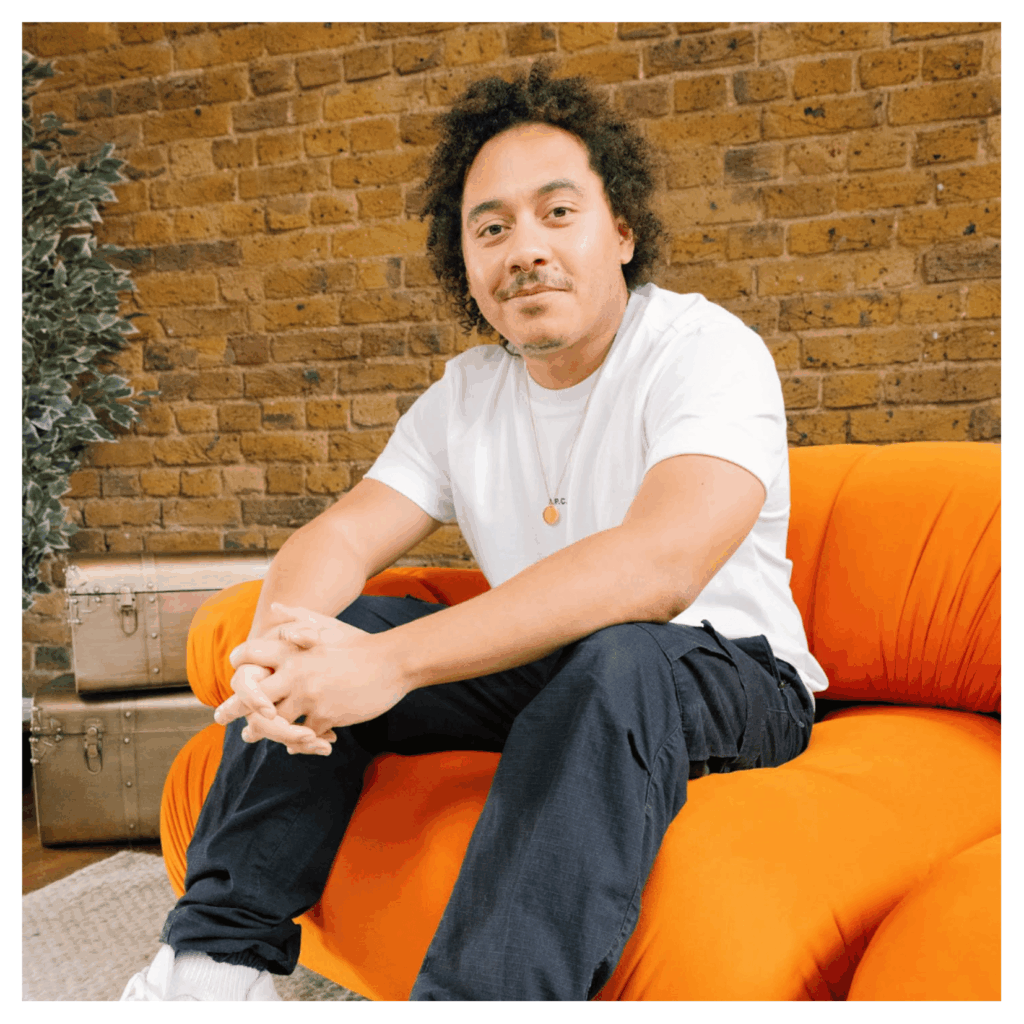
Elliott Williams – KODE
I’m really excited to be joining the working group, as I feel it’s a valuable opportunity to contribute and to collectively build on each other’s lived experiences, as well as the successes and challenges we’ve seen within our organisations. I’m particularly keen to help shape and implement processes that lead to lasting, meaningful change.
From my perspective, the industry was moving in a the right direction following George Floyd’s murder, which brought renewed attention to systemic inequality. However, in the past couple of years, it feels as though momentum has begun to slow or even shift backwards, which is worrying, especially alongside the wider rise in right-wing rhetoric and attitudes.
I’m also really interested in the work happening in the VR space around empathy training, and how technology can be used to immerse people in experiences that genuinely put them in someone else’s shoes. There’s huge potential there to deepen understanding of what many individuals face on a daily basis.
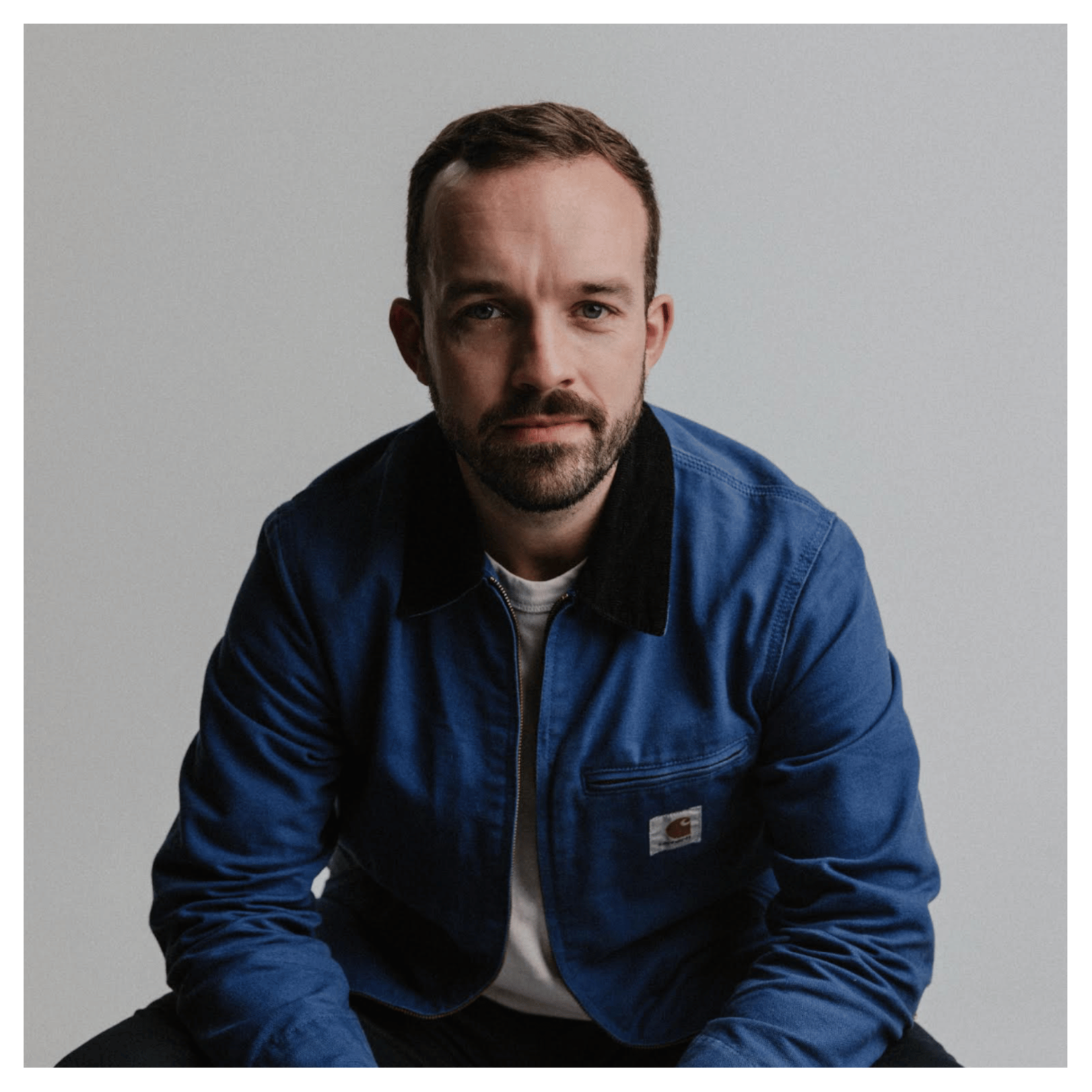
Jamie Gamache – Lowkey Films
I wanted to join to share ideas, learn from others, and help move DEI forward beyond our own echo chambers.
Lowkey is a certified B-Corp and so DEI is crucial to the framework of the company and we’ve had to prove to B Lab that it’s baked into all our practices and philosophies.
While progress in DEI has been made, it has stalled, plateaued and it’s under threat from international powers, particularly in the world networks and consolidation. I think specific workplace policy action is where we can see the biggest shift, a great importance placed on wellbeing, especially for freelance staff. We’ve seen a mass exodus of talent from the industry this year and they’re leaving the industry for a variety of reasons, but mental health is a big one and we need to do more to protect that.
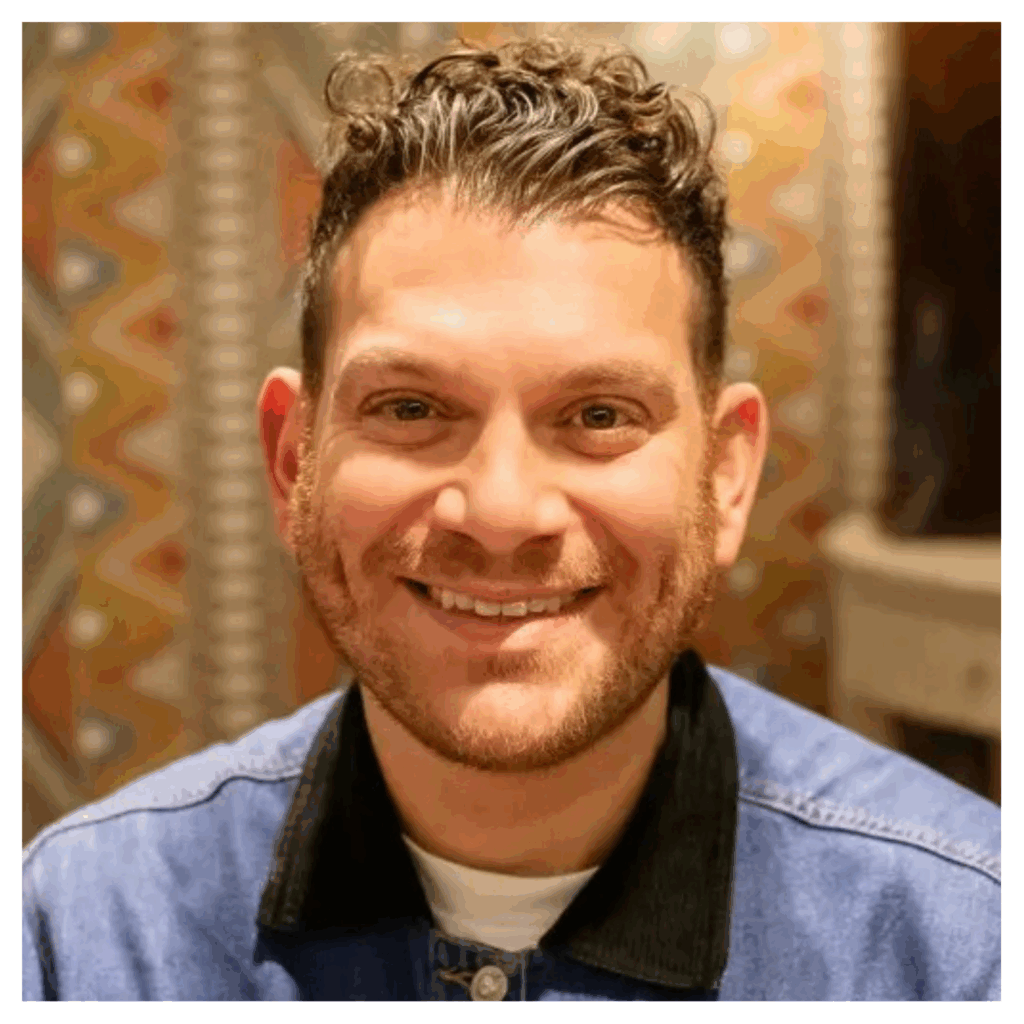
Jeremy Newton – DLMLDD
I am Head of Agency Business at sonic branding agency DLMDD, leading music-led projects across advertising and brand partnerships.
I host the award-winning podcast If These Walls Could Talk, celebrating London’s iconic music venues, and co-hosts Backgammon & Wax, DJing regularly at venues including Ronnie Scott’s, Spiritland, and The Groucho Club.
Alongside this, I lecture at Lewisham Music and works closely with youth music charity Kinetica Bloco to help make careers in music more accessible.
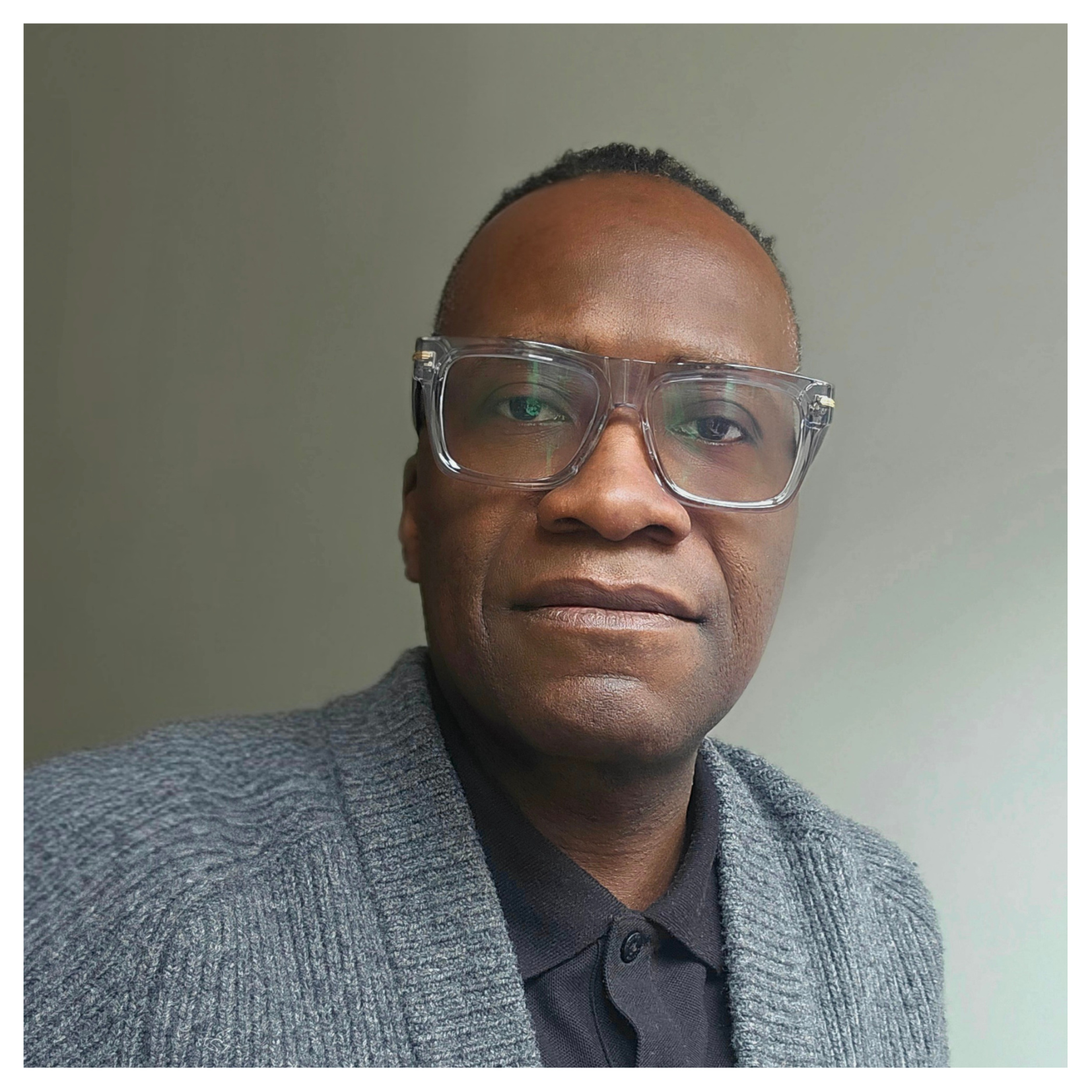
Kojo Abban – LS Productions
I’ve spent over 20 years working in global production. Over that time, I’ve worked with everyone from Samsung to Coca-Cola, and if there’s one thing I’ve learned, it’s that the “how” is just as important as the “what.”
I’m joining this working group because I want to help LS Productions and the wider industry move past the “tick-the-box” phase of DEI. My motivation is simple: I want to see a framework where we don’t just open the door for new talent, but actually give them the floor and the support they need to stay there long term. At LS, we’re all about our “People First” rule and “fearless problem-solving,” and I think it’s time we applied that same energy to making our sets and offices truly inclusive.
While progress has been made, DEI can still feel performative, with people left to sink or swim once hired. I believe inclusive teams are not only the right thing to build, but also a commercial advantage, and that genuine support, transparency, and psychological safety are essential if we want the best talent to rise without anyone feeling sidelined or like they’re filling a quota.
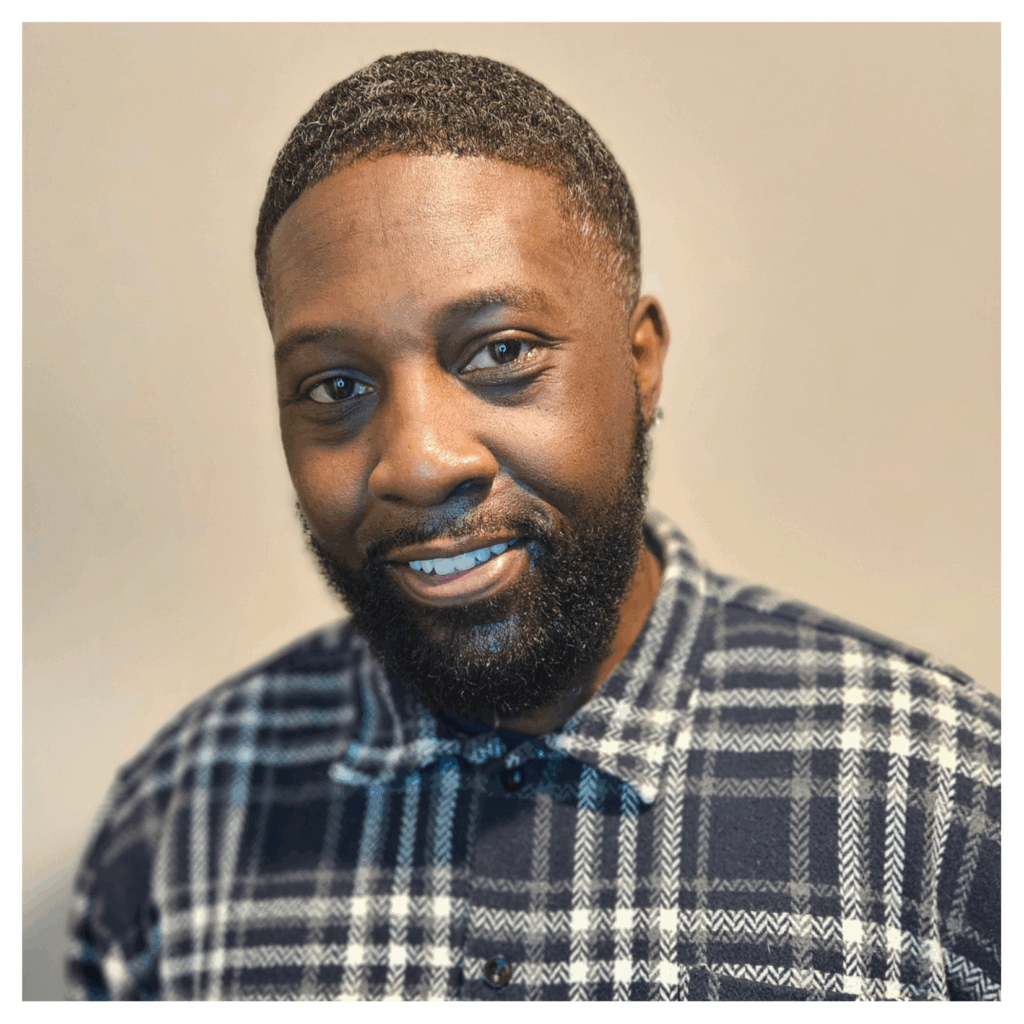
Marlon Brand – Nomad
I’m becoming increasingly conscious of the broader patterns of underrepresentation and barriers faced by marginalised groups, especially in creative and leadership roles. My goal is to collaborate with like-minded individuals and contribute to meaningful, structural change so the industry becomes more equitable and inclusive as I continue to grow within it.
While my overall perspective on the current DEI climate in the industry is still forming, I’m aware that some of the efforts to address this topic feel uneven or unclear in their impact. Rather than rely solely on good intention, I’m keen to advocate for consistent accountability and measurable improvements both for POCs and underrepresented groups.
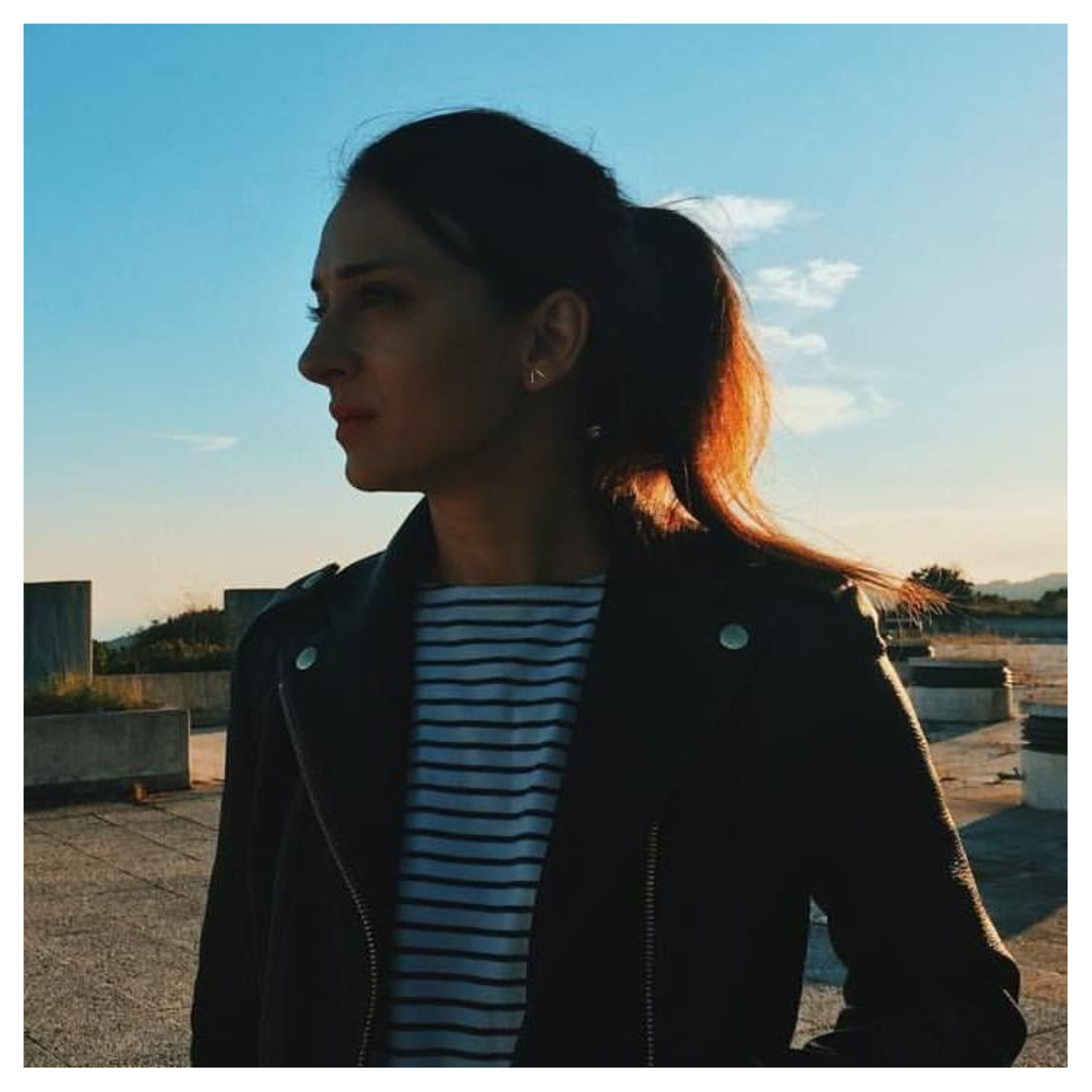
Marta Bobic – CANADA
I’m joining the group to learn from fellow members and use my role as Managing Director to positively impact inclusivity across the UK creative and production industry. I aim to contribute to APA member development initiatives, making them clear, actionable, and measurable, while sharing my own experiences of operating globally to help others apply these learnings abroad.
Whilst inclusivity in the industry has improved during my 15 years working in production and with agencies, and important conversations are taking place, there is still a long way to go in increasing access to the industry to people from underrepresented groups, in the opportunities available, in the work itself and in reflecting the UK’s diversity in senior and leadership positions.
At CANADA we are proudly a majority-female team and home to many members of the LGBTQ+ community. We’re also proud of our work in mentoring, inclusive recruitment, paid internships, and increasing diversity on our sets, and I’m motivated to support the wider industry efforts pushing to make and sustain change.
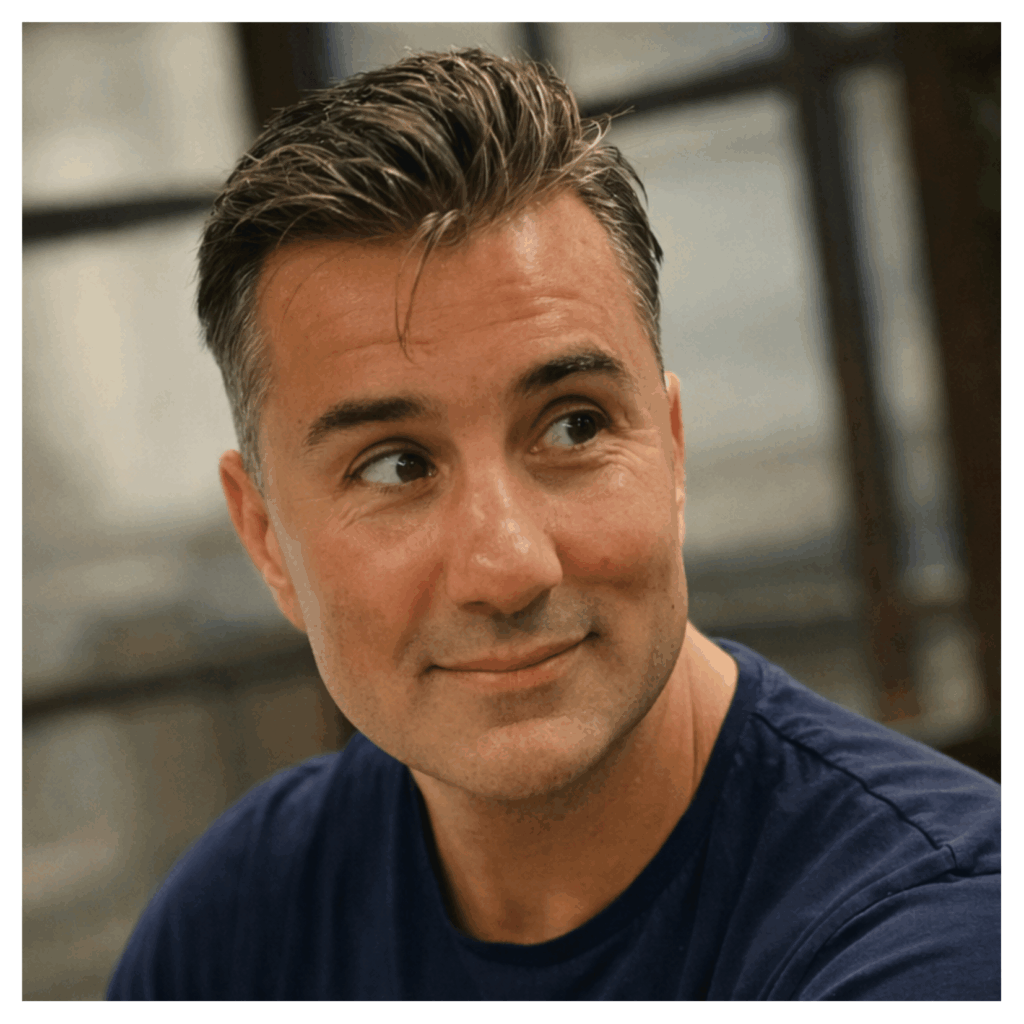
Morgan Whitlock – The Sweetshop
We are currently in a period of significant upheaval, facing changes to what we create, how we work and how the industry is structured. It’s not surprising that amongst it all some of our shared aims and commitments as an industry – to improve the diversity of directors, to create a more inclusive and supportive industry – have fallen by the wayside. Unsurprising, but still unacceptable. If we as an industry want to continue creating work that ensures the UK remains a global leader, we cannot continue to rely on the historical, narrow, exclusive pool of talent and fail to nurture and champion people from every walk of life.
Since 2021 The Sweetshop has achieved our aim of 50% of our crew being drawn from underrepresented backgrounds on every UK shoot, creating paid pathways for new entrants on every project and mentoring young people aspiring to a career in advertising and filmmaking.
I was part of the team that put the APA x BECTU Diversity Action Plan together in 2020, and while proud of the work at the time, joining the working group is an opportunity to build on that and our shared learnings since and hopefully achieve more impactful change second time round.

Paul Cartledge – Yellow Boat People
My motivation for joining the working group is to support the initiative because I think the intent is solid and important. I’m a firm believer that opportunity should be based on merit, and that talent is widely distributed, even when opportunity isn’t.
I’m interested in practical ways the group can help widen access and create clearer routes in, so that people with ability and a strong work ethic have a fair shot. I’m also keen to learn from others in the group and contribute where I can.
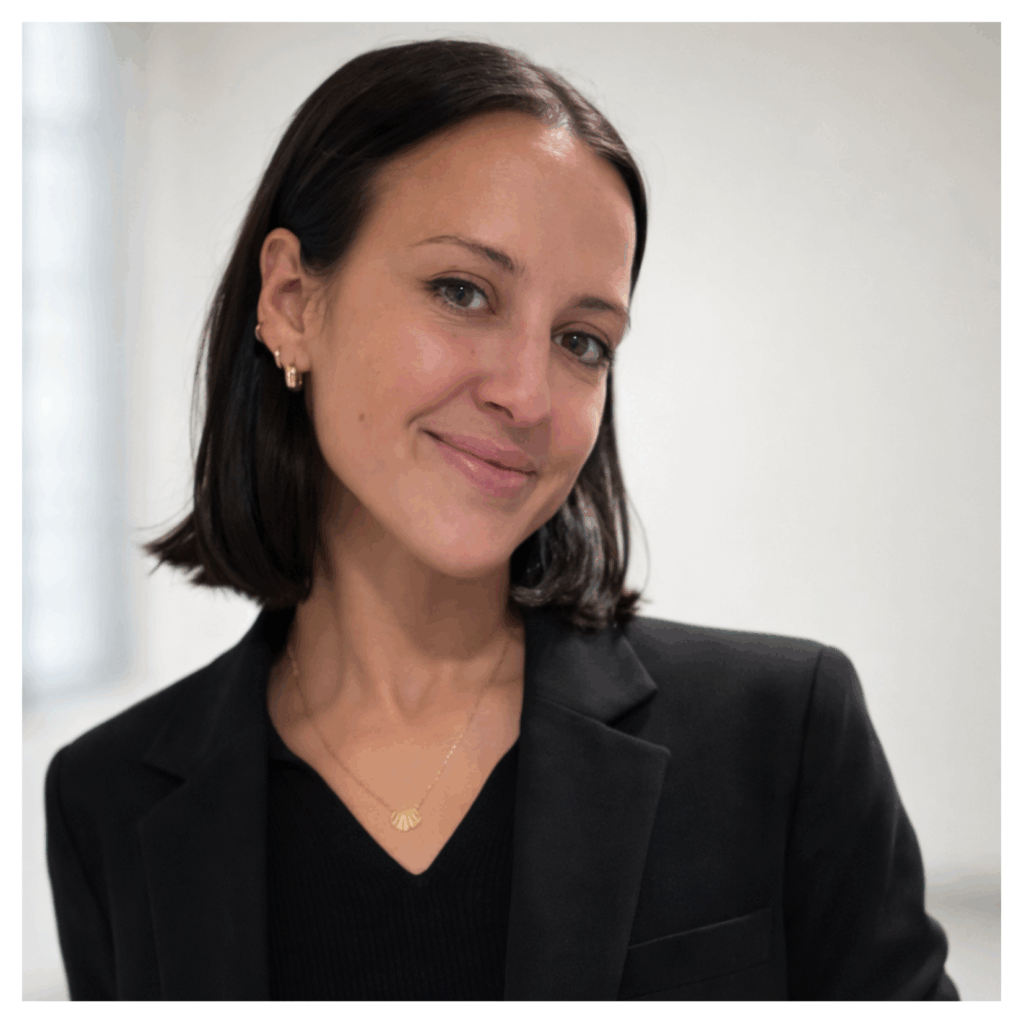
Rachel Menzies – BMG
I’ve worked in music for sync for 20ish years, and for a large part of that time I operated within a fairly narrow ecosystem – one that was dominated by a very traditional, homogeneous roster. For a long time, that felt like “just the way things were”, and I didn’t always question it as actively as I should have.
As I’ve progressed into more senior roles, and now operate at VP level within a major music company, I’ve become much more conscious of the influence and agency that comes with that position. I’m motivated to be part of this working group because I believe meaningful change happens when people who have decision-making power take responsibility for how that power is used – particularly around who gets access, opportunity, and visibility.
I think we’re at a point where awareness alone isn’t enough. There’s a real need to interrogate how decisions are made: who is being put forward, who is considered “safe” and whose work is being repeatedly overlooked because it doesn’t fit established norms.
What inspires me most is DEI work that leads to structural change rather than symbolic gestures – initiatives that actively shift access, visibility, and long-term opportunity. I’m also conscious of the importance of mentoring and advocacy, particularly for people who may not naturally see themselves reflected in senior leadership.
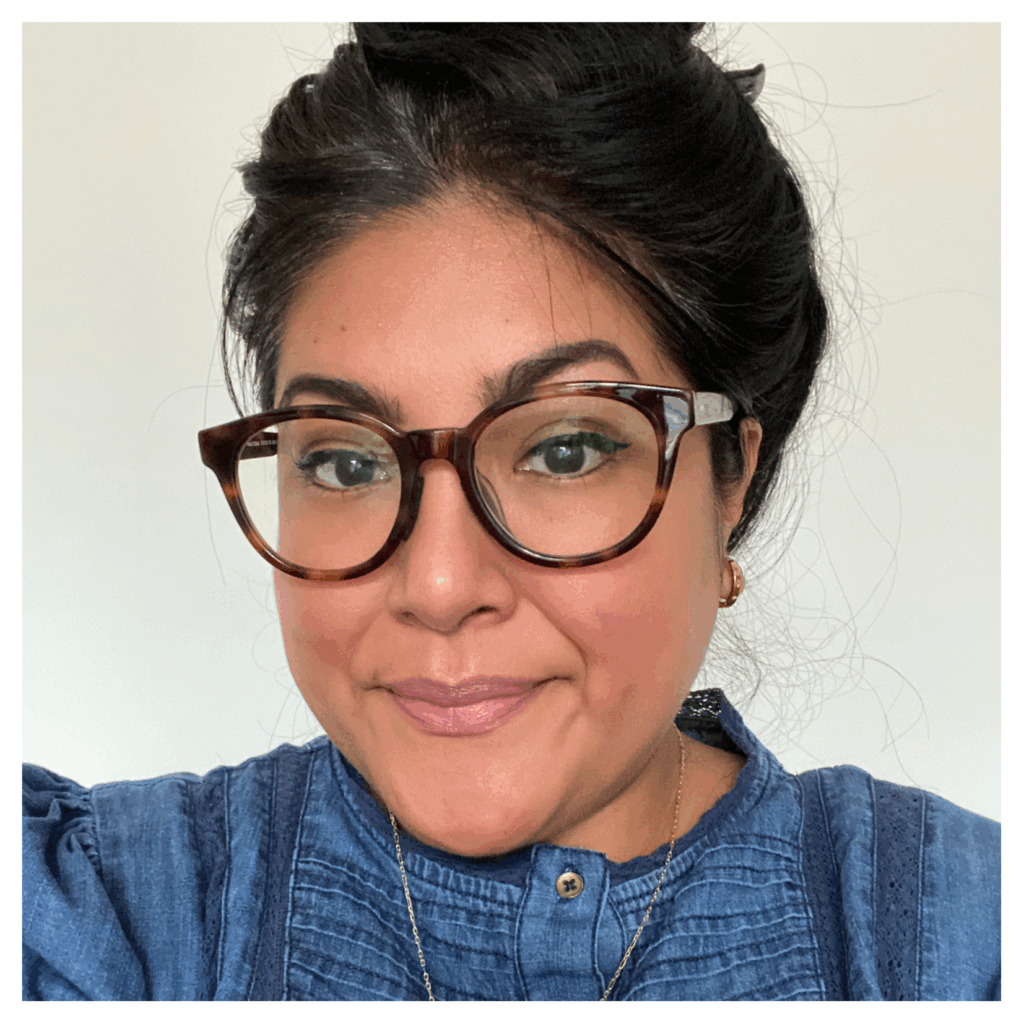
Sabrina Mort – Nexus
For me, DEI is a priority and a foundational value. It’s important to weave DEI into the fabric of company culture! At Nexus Studios, events like our Trans Visibility film screening, our inclusive policies including allyship and trans-inclusivity, and our work on “She Creates Change” are all instrumental to this. We are also proud to have worked with BlackFrame who are making the animation industry more accessible for Black talent, as well as supporting our Director Hannah Lau-Walker who is co-leading Women In Animation (WIA) UK.
There is absolutely still a way to go in terms of diverse representation in the industry, but there are some fantastic organisations making waves!
I’m excited to be part of the APA DEI Working Group and collaborating with individuals and organisations that are passionate about making positive changes in the industry.
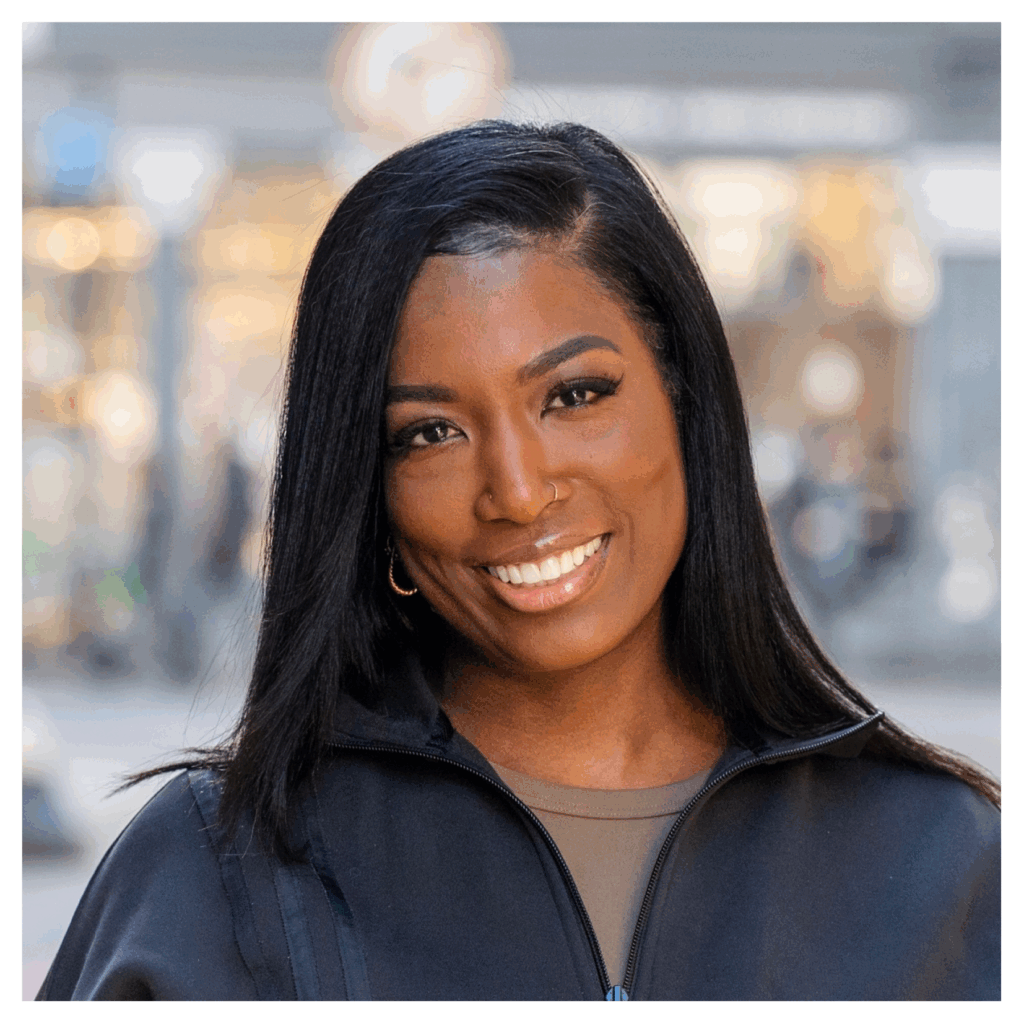
Stacia Akaba – RASCAL
I’m an Executive Producer at RASCAL, the London/Stockholm creative post-production studio spanning VFX, Colour, Sound, and Music.
With nearly two decades in advertising and moving image, I work across new business and client partnerships, shaping projects from concept to delivery while supporting great talent.
Known for her energy, instinct, and well-documented love of Adidas tracksuits, I drive RASCAL’s growth and industry visibility, actively participating in events, award juries, and creative initiatives that champion collaboration and culturally resonant work.
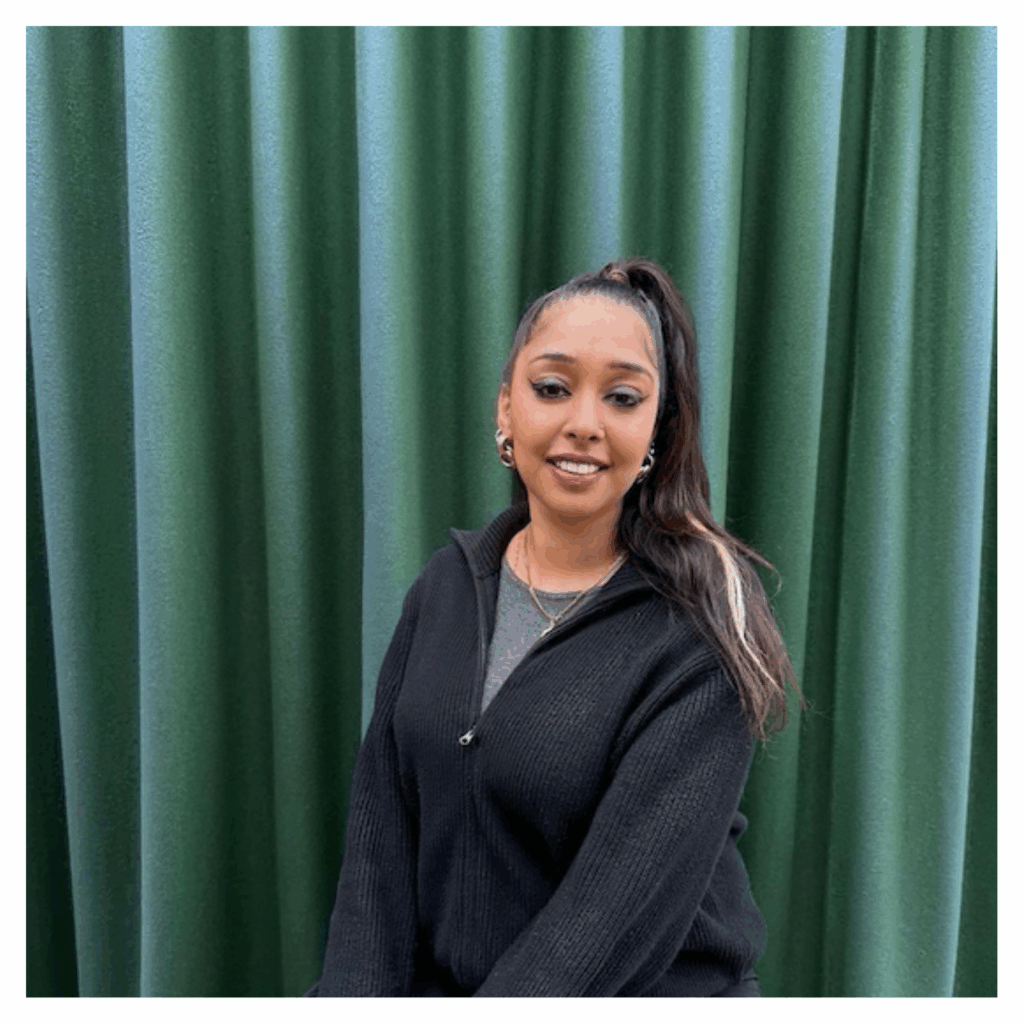
Tanya Ramsurrun – The Corner Shop
Since joining the industry in 2007, I’ve seen progress from minimal representation to greater visibility, particularly after the momentum of 2020.
I have been part of the POCC board and have sourced several opportunities for POC talent over the years, and in every company I work at, I aim to help cultivate progressive environments supported by internal policies that prevent archaic practices.
I’m joining the working group to help sustain that energy, provide a soundboard for underrepresented voices, and address how workplace behaviour affects both mental health and career progression.